


Protein derived from organic waste to feed livestock could decrease demand for soybean meal. This could lead to less deforestation caused by soy farming. But decreased production of soybean, which is also used to produce oil for food products, could increase demand for palm oil. This could clear more forests for oil palm plantations.
This is just one example of how innovations to fix our food systems could backfire. In a new analysis in The Lancet Planetary Health, a team of scientists builds on recent research that discusses how new technology is needed to improve human health and the wellbeing of the planet.
The authors say that the urgency to meet the United Nations’ Sustainable Development Goals (called SDGs; there are 17) must be tempered by the understanding that there are no quick fixes to ending poverty, eliminating hunger and conserving biological diversity.
“The food system is in the mess it is right now because we introduce technologies and approaches to managing it without fully understanding all the indirect impacts the intervention can have,” said Andy Jarvis, a co-author and the associate director of the Alliance of Bioversity International and CIAT.
Symptoms of our ailing food system include unsustainable farming practices, habitat destruction, biodiversity loss and the waste or loss of about 30 percent of all food produced. Some 2 billion people are unhealthy because of their diets and some 8 million people died in 2019 due to dietary risk factors.
In addition to tapping organic waste to produce microbial protein (called “circular feed”) the authors looked at trade-offs of three other food-system remedying technologies on the horizon:
- Using cereals to replenish nitrogen in soils (called “nitrogen fixation”) could decrease the overuse of chemical fertilizers and its unsustainable impacts on the environment such as water pollution. But this could reduce prices for already over-consumed foods, potentially leading to further increases in non-communicable diseases (NDCs) like diabetes.
- Personalized nutrition technologies could substantially reduce NDCs by tailoring diets to people’s genetic profiles and metabolism. But this could lead to a rapidly unsustainable increase in demand for healthy foods (see: Mexico’s avocado sector). The cost of personalized nutrition could also be out of the economic reach of many. And, were it to become widespread, personalized nutrition would generate high volumes of sensitive personal data.
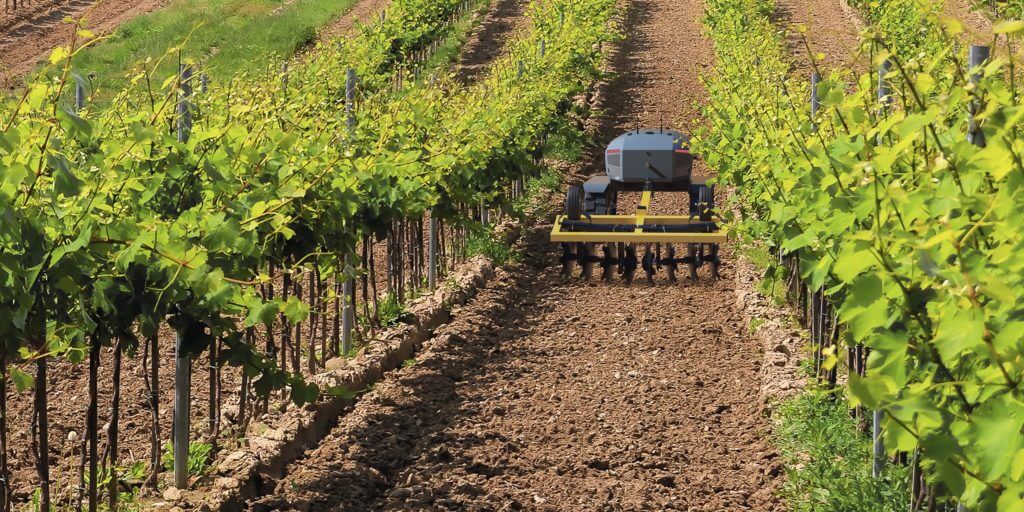
- Automation and robotics could increase the reach of precision agriculture. This could reduce food prices, stabilize food supply and reduce overuse of fertilizers and water, which would benefit the environment. But this could reduce the need for unskilled labor, further threaten the precarious livelihoods of smallholder farmers, and drive more migration to haphazardly growing megacities.
“Exciting new technologies are needed for transitioning towards a sustainable food system,” said Ana Maria Loboguerrero, a co-author and the Alliance’s research director for climate action. “But we must be aware that “win-win” technological solutions do not always exist, with losers and winners and trade-offs and synergies across different SDGs.”
Read the rest here: https://phys.org/news/2020-12-high-tech-food-unintended-consequences.html